Push-Button Ignition Failed? A Tampa Driver's Guide to Modern Key Fob Repair
By the experienced Florida technicians at NoWait Locksmith
Quick Answer
If your push-button start isn't working in Tampa Bay, run this 60-second check before calling for help: (1) replace the key fob battery — a $3 CR2032 fixes about 40% of these calls; (2) hold the fob directly against the start button to test the backup proximity reader; (3) if a 'key not detected' warning appears with a fresh battery, the fob's transponder chip has failed and needs reprogramming or replacement.
Step 1: The 60-second self-check
Before you panic, run through this. (1) Is the parking brake fully released? Some Hondas and Mazdas won't crank with it half-engaged. (2) Are you firmly pressing the brake pedal at the same time as the start button? About 30% of 'won't start' calls turn out to be missed-step pedal pressure. (3) Is the steering wheel locked? Wiggle it left-right while pressing start — releases the wheel lock that holds the ignition disabled. If none of those, move to step 2.
Step 2: Check the fob battery
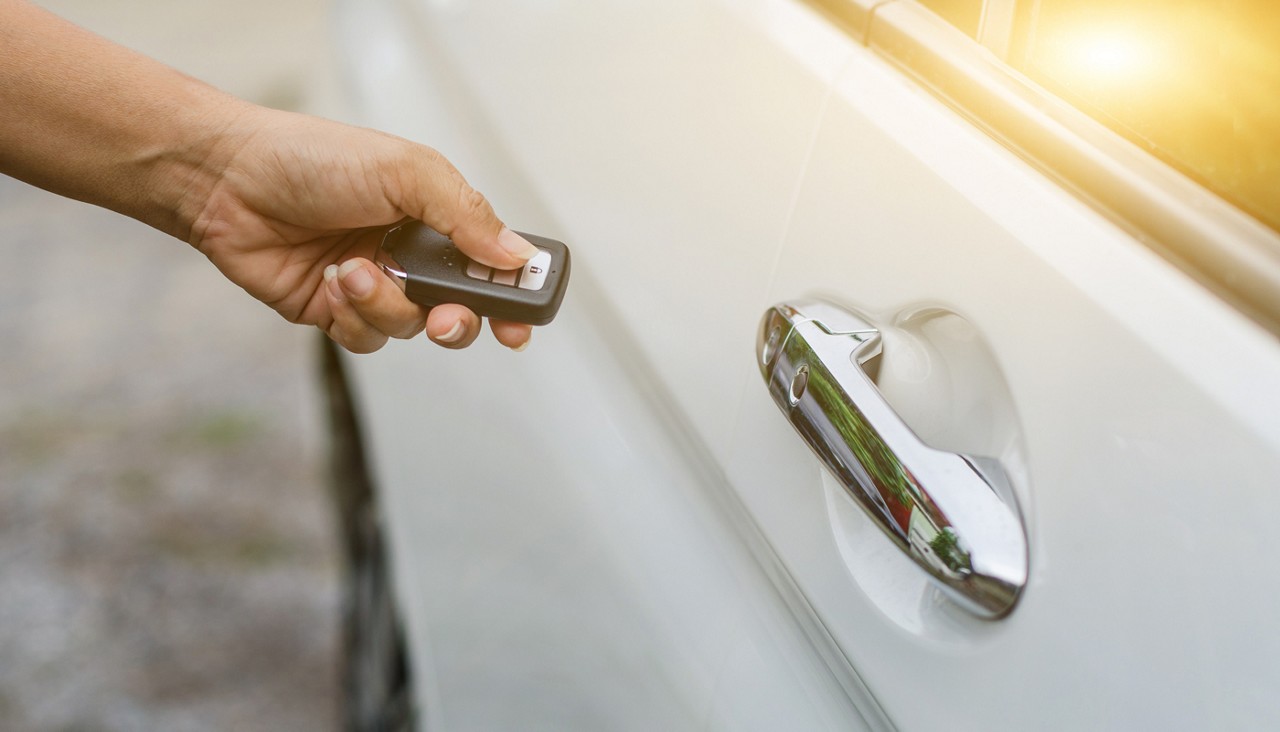
Most push-button failures are dead key fob batteries. A weak fob can still unlock the doors (which uses a longer-range signal) but fail to be detected by the start-button proximity reader (much shorter range). The car will display a 'Key Not Detected' or similar warning even though the fob is in your pocket.
The fix: nearly every modern fob takes a CR2032 coin cell ($3 at any Tampa CVS or Walgreens). Pry the fob open with a coin in the slot on the side, swap the battery, snap it back together. Test the start button. If the car now starts, you're done — keep a spare battery in the glove box and you'll never have this happen again at a bad time.
Step 3: Use the backup proximity method
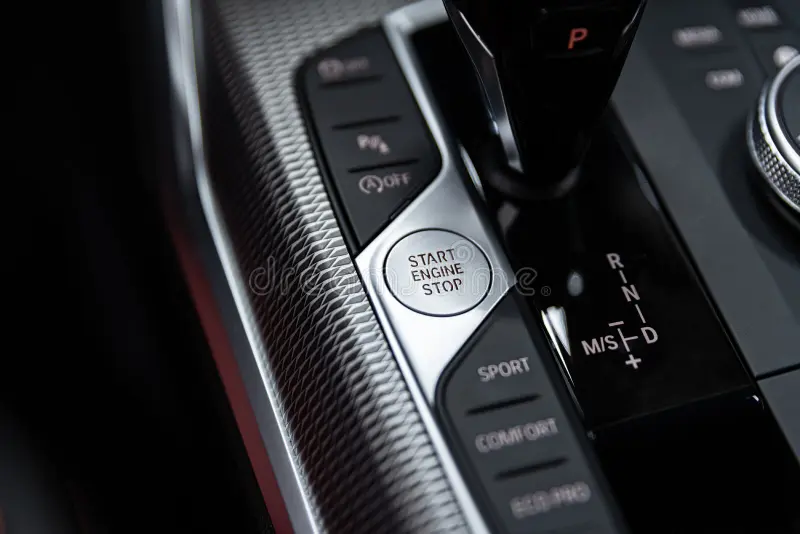
If the battery is fresh and the car still doesn't recognize the fob, almost every modern push-button vehicle has a backup proximity reader located inside the start button or directly adjacent. Hold the fob physically against the start button (logo side facing the button) and press. If it cranks, your fob's long-range antenna is failing but the short-range chip still works — you can drive home this way but the fob needs replacement or reprogramming within a few days.
Step 4: 'Key not detected' with a fresh battery
If you're getting 'Key Not Detected' or 'Smart Key Battery Low' with a brand-new battery and the backup proximity method also fails, the fob's transponder chip (the encrypted chip that talks to your car's immobilizer) has either failed or been de-paired from the car. This isn't a DIY fix — call a licensed automotive locksmith in Tampa Bay. We can usually reprogram a chip that's still physically intact, or cut and program a replacement fob at your location. Cost is typically $190–$320 for transponder fobs and $300–$450 for smart proximity fobs.
Step 5: When it's the car, not the fob
Three failure modes are on the car side, not the key side. (1) Brake light switch — when this fails, the car doesn't 'know' you're pressing the brake and won't crank. Diagnosis: do the brake lights work? If not, it's the switch (about $40 part, 30-minute labor at any mechanic). (2) Push-button itself — the button can fail after 100,000+ presses on older vehicles. Diagnosis: the button doesn't depress, or depresses without clicking. (3) Starter relay — clicking sound when you press but no crank. None of these are locksmith jobs; you need a mechanic or dealer.
Quick way to isolate: if a known-good spare fob doesn't work either, the problem is the car, not the fob.
Frequently asked questions
Quick answers to what Tampa Bay readers ask most about this topic.
Related services
Service areas mentioned
Need help with this in Tampa Bay right now?
Our dispatch is open 24/7, including holidays. We'll give you a real upfront quote — no bait-and-switch.
Call (813) 420-8216More from the NoWait Locksmith blog